
Most gas water heaters in Philadelphia, PA work the same basic way. Gas enters through a control valve that doubles as the thermostat and feeds a burner beneath the tank, and the hot exhaust travels up a flue through the middle of the tank and out through the vent. A thermocouple, or a flame sensor on newer electronic models, tells the valve a flame is present; without that signal, the valve shuts off the gas for safety. The design is dependable, but it has a few predictable weak spots. Thermocouples wear out, pilot tubes and burner ports clog, the flame arrestor screen at the base packs up with lint and dust, control valves fail, and vents lose their draft.
Philadelphia Water Heater does not guess with gas appliances. On every Philadelphia call, our technicians test the thermocouple's millivolt output, inspect the pilot and burner flame, check gas pressure at the valve, and run a draft test at the draft hood to confirm exhaust is actually leaving the house. We look inside the combustion chamber for scorching, rust, and signs of flame rollout, which tell us whether the flue is blocked or the burner is misbehaving, and we check for carbon monoxide around the heater. One rule comes before all of it: if you smell gas, do not light anything or flip switches. Leave the house, call your gas utility from outside, and then call us once it is safe.
Some gas heaters need a quick part swap, and some need an honest conversation. We handle both. Thermocouples, flame sensors, pilot assemblies, hot surface igniters, gas valves, and burner cleaning are routine repairs, and we correct venting faults and flush sediment during the same visit when needed. If the tank is leaking, rusting through, or past about ten to twelve years with a major failure, we will explain why replacement makes more sense. Our installations cover like-for-like swaps and upgrades to power vent or high-efficiency models, with correct gas line sizing, sediment traps, expansion tanks, drain pans, and seismic strapping wherever required. Call (215) 318-9833 to schedule service in Philadelphia.
What homeowners call us about most is Water Heater Repair in Philadelphia and Water Heater Installation in Philadelphia. Start there if you're not sure what you need.
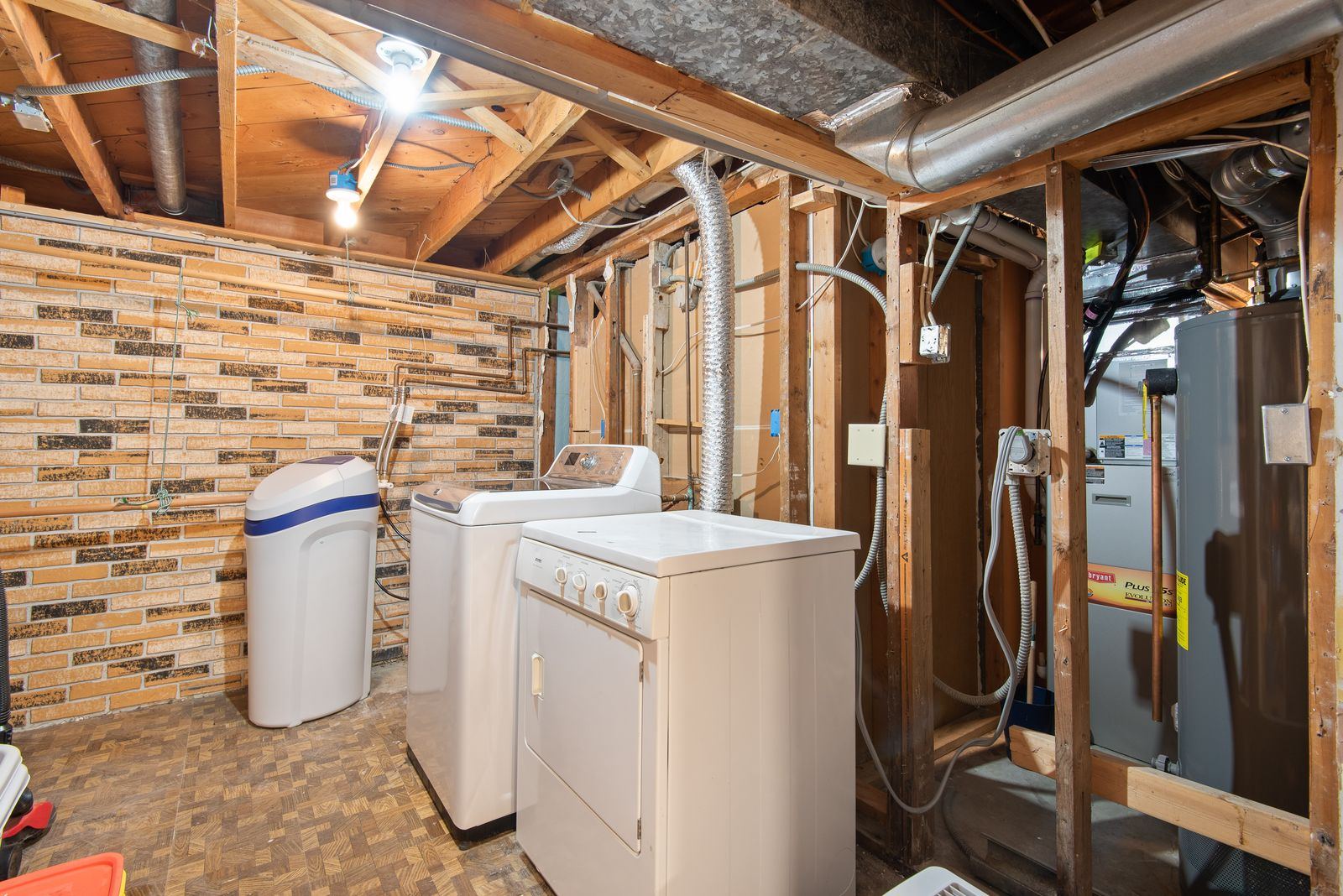
How to Tell Something Is Wrong
Most tanks announce trouble weeks or months ahead with rumbling noises, rusty water, or hot showers that keep getting shorter. Watch for these telltale signs that professional help is needed:
- A rotten-egg odor near the water heater, in which case get out and call the gas company first
- Showers that go cold sooner than they did a year ago
- Leaks at the drain valve, the fittings, or the bottom of the tank
- A cold tank and a burner that will not come on
- A yellow, lazy, or sooty burner flame instead of a crisp blue one
- Pilot outages that keep coming back after a relight
- Popping, rumbling, or crackling sounds as the burner heats
- Signs of backdrafting, such as soot, condensation, or an exhaust smell at the vent
Early Action Saves Money
A little rust-colored water or a relief valve that drips now and then can be the first hint of a tank that is close to the end. At the first hint of a problem, reach out to Philadelphia Water Heater at (215) 318-9833 and we'll take a look.
No Hot Water? We Can Help.
Call Philadelphia Water Heater for fast, reliable service.
Call (215) 318-9833 NowGas Water Heater Services FAQ
Why This Job Calls for a Pro
Two things make gas water heater work a poor DIY project: the parts involve fuel and combustion, and the symptoms overlap. A pilot outage might come from a worn thermocouple, a partly blocked pilot tube, lint on the flame arrestor screen, a downdraft, or an internal valve failure. Guess wrong and you have spent money without fixing anything. Guess wrong on a gas fitting or vent connection and the stakes are much higher, since a small leak or a spillage problem can put gas or carbon monoxide into the living space. Gas valve and heater replacements also typically call for a permit.
Professional service gets you a correct answer and a safe appliance. Instead of trial and error, we confirm thermocouple output, gas pressure, burner flame, and draft with proper tools. Every gas connection we make is tested for leaks before we leave, and vent connectors are secured with the right slope and clearances. When a replacement is needed, we size the new heater by first-hour rating, handle the permit where one is required, and add the expansion tank, sediment trap, drain pan, or seismic straps your home needs. The result is hot water you do not have to worry about.
Our Gas Water Heater Services Process
We follow the same careful process on every water heater, whether it's a quick thermostat swap or a full tankless conversion. Here's the short version:
Safety Check & Diagnosis
Before a single part is changed, we confirm the heater is safe to work on and test each part of the ignition, gas, and venting systems to pinpoint what actually failed.
Honest Findings & Firm Quote
You hear the cause in plain terms and get the price first. When a repair would only buy a few months on a failing tank, we say so and lay out replacement options.
Same-Visit Repair
The majority of repairs are finished immediately, from a new thermocouple to a cleaned burner or corrected vent. New installs include gas line work, a sediment trap, and the code items your home needs.
Verified Safe Operation
With the burner running, we check every gas joint for leaks, confirm the vent drafts properly, and verify the burner flame and water temperature before we leave.
Want a Professional Opinion?
Tell us the age, fuel type, and symptoms, and we'll help you sort out the next step.
Tap to Call (215) 318-9833Water Heater Care Tips From Our Technicians
Most of the failures we see could have been delayed for years with basic upkeep. Here's where to begin:
- Never store flammable liquids near a gas water heater
- Check that the vent connector is secure and rising toward the chimney or flue
- Set the gas valve near 120 degrees, because hotter water costs more and can scald
- Drain sediment from the bottom of the tank once or twice a year
- Replace a spent anode rod before the tank itself starts to rust
- Clean dust from around the base so the burner gets plenty of combustion air
- Keep working CO alarms near bedrooms and on each floor
Doing It Yourself vs. Hiring a Technician
The line between a safe DIY check and a risky repair is usually the moment you need to open a gas fitting, a vent connection, or an electrical cover. Here's how the two approaches stack up:
| Factor | Doing It Yourself | Hiring a Pro |
|---|---|---|
| Finding the Fault | Swap parts until the pilot stays lit | Instruments pinpoint the actual failure |
| Gas Connections | No leak detection after the work | Every joint leak-tested before we leave |
| Exhaust Safety | Carbon monoxide risk unchecked | Vent secured with proper slope and clearance |
| Code Compliance | Straps, pan, and expansion tank missed | Permit handled where required |
| Sediment & Tank Care | Tank condition never evaluated | Honest read on the tank's remaining life |
| Outcome | Pilot goes out again next week | Real fault repaired and tested |
Book a Visit Today
Don't let a failing water heater get worse. Call Philadelphia Water Heater now for prompt, professional service.
Call (215) 318-9833 TodayCommunities We Cover
We bring gas water heater services to homes and businesses in town and across the nearby communities. Pick your area to see local details.